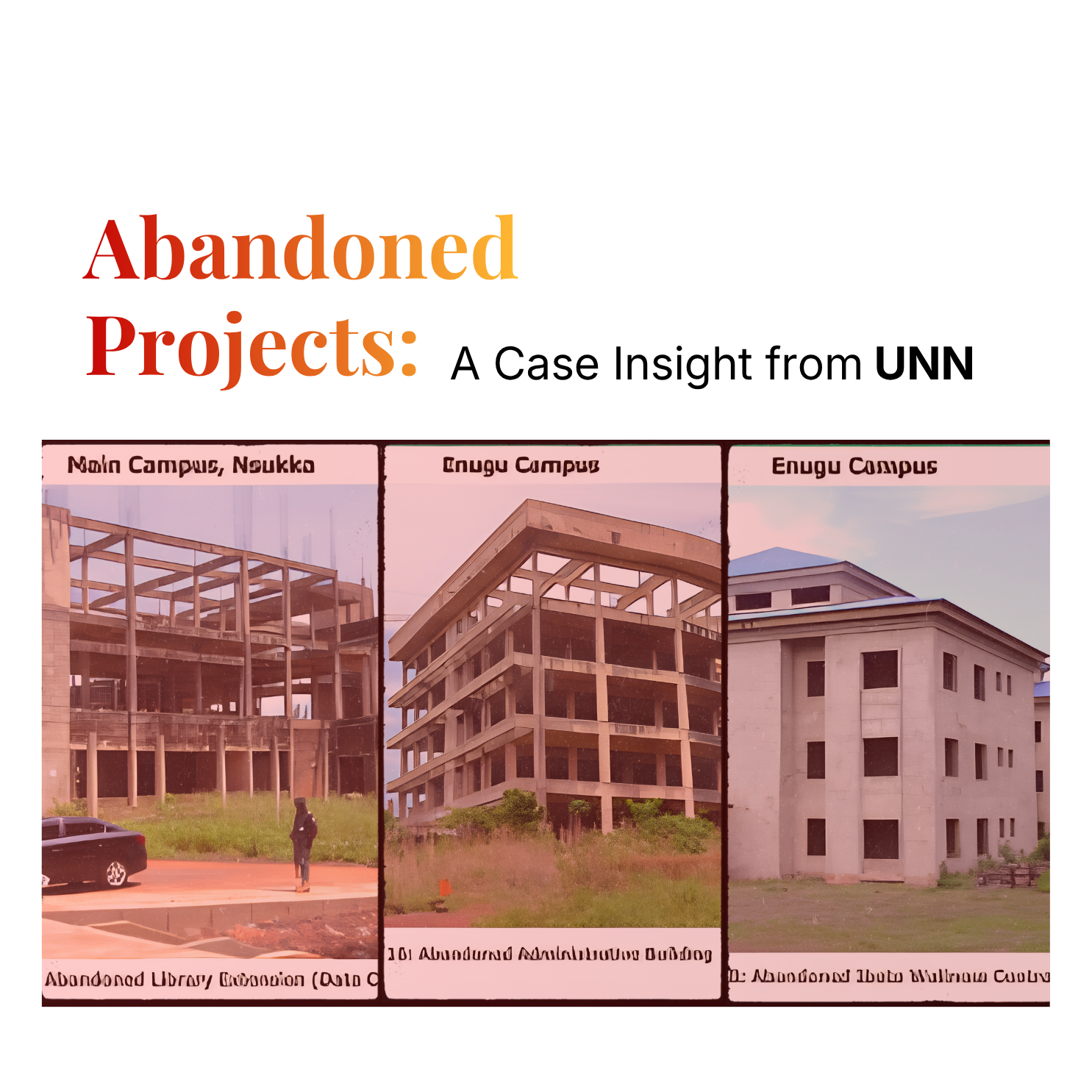
At Thels Impact Consulting, our case review engine applied a structured methodology to interrogate the predicament of Nigeria’s first indigenous university, the pride of the land:
1. Audit & Prioritisation: We began with a comprehensive audit of all abandoned and stalled projects across the university’s campuses. Each project was assessed for its current status, level of completion, and alignment with academic priorities. Projects were then ranked according to feasibility, impact on students and faculty, and potential for quick completion. By focusing on high-impact initiatives, the university maximises returns on investment while restoring confidence among stakeholders. This prioritisation ensures that scarce resources are directed toward projects that deliver tangible benefits in the shortest possible time.
2. Funding Diversification: Recognising the limitations of federal allocations, we designed an innovative funding mechanism that broadens the university’s financial base. Alumni networks are to be mobilised through targeted engagement strategies, while corporate partnerships and Public-Private Partnerships (PPPs) are recalibrated for University-Business Cooperation and to provideorganisations with technical expertise. International grants from organisations such as UNESCO, the World Bank, and the African Development Bank are pursued to supplement local funding. Crowdfunding platforms and digital fundraising tools further expand reach, enabling the university community and diaspora to contribute directly. This diversified approach reduces dependency on a single funding source and builds long-term financial sustainability.
3. Project Management Reform: To ensure that prioritised projects are executed efficiently, we recommend establishing a dedicated Project Management Office (PMO). This unit oversees planning, execution, and monitoring, using modern project management tools to track progress over time. Independent audits and earned value management techniques enforce transparency and accountability, while regular reporting to stakeholders rebuilds trust. By embedding professional project management practices, the university minimises delays, controls costs, and delivers projects on schedule.
4. Policy Safeguards: Finally, we address the systemic issues that lead to project abandonment. This includes governance reforms to strengthen procurement processes and establish legally binding timelines for project completion. An annual project review committee evaluates ongoing initiatives, ensuring that risks are identified early and appropriate measures are taken promptly. Making backup plans and a phase-by-phase funding strategy provides flexibility in the event of unexpected occurrences, while capacity-building programs train staff and contractors in best practices. These approaches create a sustainable act of accountability and resilience, preventing future stagnation.
Financial sustainability: Reduced reliance on federal allocations, diversified funding streams. Operational efficiency: Completion of high-priority projects improves teaching, research, and student welfare.
Reputation recovery: Transparent processes and visible progress rebuild trust with donors, alumni, and partners.
Institutional resilience: Stronger governance and project management capacity ensure long-term stability.
By combining rigorous prioritisation, diversified funding, professional project management, and strong governance, institutions like UNN can break free from cycles of project stagnation and rightfully position as a leader in Nigeria’s higher education system.